BustMeBlackjack

Guides

Blackjack Math Guides: the Odds, House Edge, and Key Rules

Side bets live and die on numbers the felt never prints. These guides carry the sourced figures (bust frequencies, edge tables, the insurance math) that every page on the side-bet board is built on.
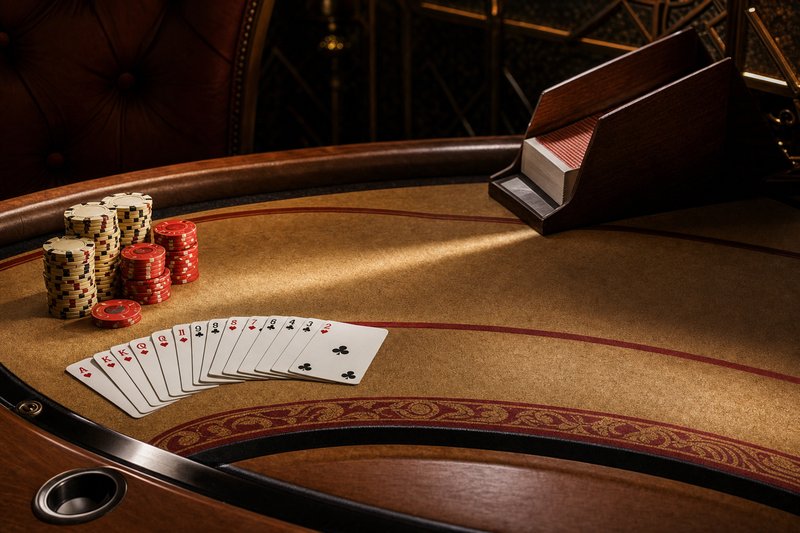
Corner of a blackjack table felt with chips and cards, where the side-bet math plays out

Every wager this site rates comes down to one question the casino would rather you not ask: what does it cost, over the long run, per dollar you put down? Answering it takes a handful of numbers most players never see. How often the dealer actually breaks. What each pay table returns once you account for the rare top rung nobody hits. How much a single rule swing (a 6:5 blackjack, a hit on soft 17) quietly adds to the bill. These guides are where those numbers live.

Start with the two that anchor everything else. Dealer bust odds settles how often the dealer goes over 21, upcard by upcard, and it is the engine under every bust wager from Buster Blackjack to the Push 22 rule. Blackjack house edge puts the main game's roughly half a percent next to the 3-to-25 percent the side bets charge, and shows which rules move the line and by how much. From there, blackjack odds covers the working probabilities (your bust chance by total, the odds of a natural, how a hand actually resolves) while insurance and Push 22 take apart two specific rules that cost more than they look.

None of it is folklore. Where a page states a house edge or a pay table, that figure is sourced from published analysis or a filed rule sheet and attributed on the spot, and where a precise number does not exist, you get an honest range instead of a confident guess. Read these first, and the verdicts on the side-bet board stop being opinions and start being arithmetic.

The guides

How Often Does the Dealer Bust in Blackjack? The Odds by Upcard The 28% average hides a spread from under 12% behind an ace to almost 43% behind a five, meter included. Monday, July 6, 2026 Blackjack Insurance: The Real Math Behind the Casino's Worst Bet The dealer shows an ace and the felt offers to protect your hand for half your bet. It protects nothing. Insurance is a 2:1 payout on a bet that wins less than one time in three, and the gap is the house's 7.4%. Friday, July 24, 2026 Blackjack House Edge: What Every Rule and Side Bet Really Costs The classic game costs about half a percent when you play it well. Every rule printed on the felt moves that number, and every side bet multiplies it. Here is the full price list, line by line. Tuesday, June 16, 2026 Free Bet Blackjack: Rules, Strategy and the Real House Edge The house pays for your doubles and splits, then claws it back every time the dealer lands on 22. Here is how the trade actually nets out, which strategy changes matter, and when this table beats the classic game. Tuesday, June 16, 2026 Blackjack Push 22: The Dealer-22 Rule That Funds Every Gimmick Free doubles, switched cards, zapped hands: every one of those gifts is paid for by the same fine print. When the dealer busts with exactly 22, your winning hand does not win. Here is what that quiet tie costs. Wednesday, June 10, 2026 Blackjack Odds: The Working Numbers Every Player Should Know You do not need a simulator at the table. You need about a dozen numbers: how often the dealer busts, how often you bust when you hit, how often the natural arrives, and what a hand actually wins. Here they are. Wednesday, May 20, 2026

Blackjack math: frequently asked questions

What is the house edge in blackjack?

On the main game, roughly 0.5% with basic strategy and a full set of good rules, one of the lowest edges on the casino floor. Every rule change moves it: a 6:5 payout on blackjack alone adds about 1.4%, and each side bet trades that half percent for something between 2.7% and 25%. The house edge guide breaks the levers down one by one.

How often does the dealer bust?

About 28.4% of hands across a session, but the figure swings hard with the upcard, from under 12% behind an ace to almost 43% behind a five. That spread drives every stand-or-hit call in basic strategy and every bust side bet on the felt. The dealer bust odds page has the full table plus an interactive meter.

Do these guides use real numbers or estimates?

Real, sourced numbers. The pay tables and house-edge figures on this site are taken from published combinatorial analysis (chiefly Wizard of Odds) and official filed rule sheets, then attributed in the text. Where a precise figure can't be sourced, the guide gives a range and says so rather than inventing one.

Which blackjack rule costs players the most?

A 6:5 payout on a natural blackjack, which roughly triples the base house edge of an otherwise-standard game. It is the single most expensive rule you will meet in a modern pit, worse than the dealer hitting soft 17 or the removal of doubling after splits combined.

Is card counting covered in these guides?

In passing, where it changes a bet's value: several side bets swing with deck composition, and a few are genuinely beatable at the extremes. These pages focus on the fixed math every player faces, not on advantage-play systems, which are a discipline of their own.